
A war machine runs on money, fuel, steel and lawyers. Germany in 1933 had very little of any of them. It had lost the First World War, its currency had collapsed in 1923, and it owed reparations it could not pay. Twelve years later the same country was fighting most of the world at once. The money and the know-how to build that machine did not appear out of nowhere. A large part of it came from the banks and corporations of Wall Street and the City of London, and their role was documented long before anyone was allowed to talk about it.
This version is built first and only from sources in the TruthSearch index of independent researchers. Every source is listed at the end.
1. Rebuilding Germany with Wall Street money (1924–1929)
After the 1923 hyperinflation, the "rescue" came in the form of the Dawes Plan of 1924, drawn up by American bankers. Its German delegation was led by Hjalmar Schacht, president of the Reichsbank. According to the Canadian Patriot Review, Schacht's first act was to visit Montagu Norman, governor of the Bank of England, who handed him a blueprint for Germany's restructuring. American bankers bought up German bonds and resold them to ordinary American investors, and German industry was rebuilt on those loans.
The Young Plan followed in 1929, named after Owen Young, a J.P. Morgan man who headed General Electric. In that period, writes the Canadian Patriot, "IG Farben, Thyssen, Union Banking, Brown Brothers Harriman, Standard Oil, JP Morgan" took control of large parts of Germany's finance, mining and industry.
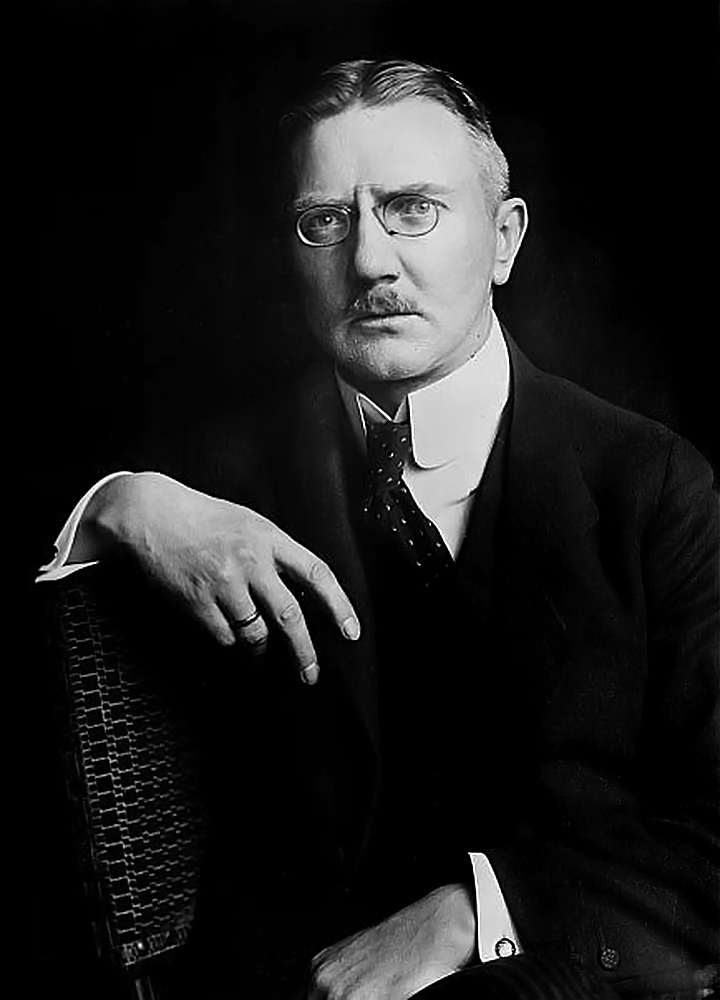
Professor Antony C. Sutton, author of Wall Street and the Rise of Hitler, explains in his own words how Standard Oil and the wealthiest Wall Street families financed the Nazis (and the Soviets):
2. The central bank of central banks
The Young Plan gave birth in 1930 to the Bank for International Settlements (BIS) in Basel, Switzerland. Its founding members were the central banks of Britain, France, Germany, Italy and Belgium, plus three private American banks: J.P. Morgan, First National of Chicago and First National of New York. Today those three are part of JPMorgan Chase and Citigroup.
Under its founding charter, the BIS, its directors and staff were immune from national laws, and not even the Swiss authorities could enter its premises. Its American president during the war, Thomas McKittrick, was an old Wall Street friend of Allen Dulles. Five of its directors were later charged with war crimes, including Hermann Schmitz, CEO of IG Farben. The Canadian Patriot calls the BIS "the key mechanism for international financiers to fund the Nazi machine."
A documentary segment on the Bank for International Settlements in Basel and its wartime dealings with Nazi Germany:
3. Fuel: Standard Oil and IG Farben
Germany had almost no oil of its own. In 1928–29, Rockefeller's Standard Oil entered a cartel with IG Farben, then the fourth-largest company in the world. The deal handed IG Farben the patents and technology to make synthetic gasoline from coal. According to the Canadian Patriot, Germany went from producing about 300,000 tons of natural petroleum in 1934 to 6.5 million tons during the war, 85% of its total.
Together they formed a joint company, Standard IG Farben. In 1938, with war in sight, Standard Oil arranged a shipment of 500 tons of tetraethyl lead to IG Farben, an additive the Luftwaffe needed for aviation fuel. IG Farben went on to make Zyklon B, the gas used in the death camps, and ran factories on slave labour at Auschwitz.
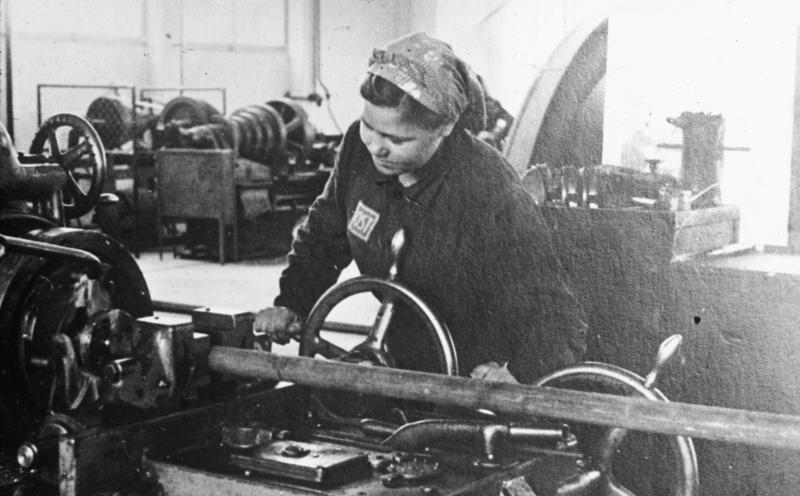
James Corbett's documentary on the Rockefeller dynasty, including Standard Oil's wartime deals with IG Farben:
4. Tanks and trucks: GM and Ford
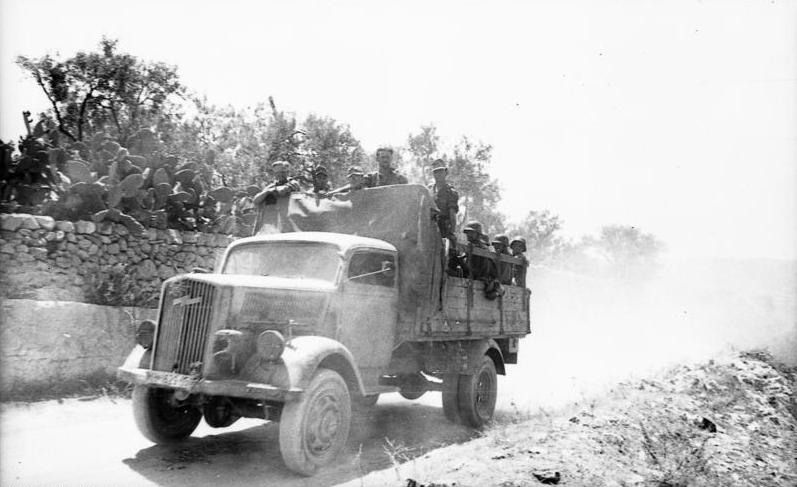
Opel was a wholly owned subsidiary of General Motors, and Ford-Werke (Ford A.G.) was the German arm of the Ford Motor Company. According to Iain Davis, the two "produced the vast majority of Nazi tanks," and General Motors, Ford, General Electric, DuPont and other U.S. companies supported the Nazi war effort. The 1928 cartel agreements also tied Henry Ford's German operations to IG Farben, DuPont, Shell and Standard Oil.
5. The bankers: Brown Brothers Harriman, Union Banking and Prescott Bush
Fritz Thyssen, the German steel magnate, had been funding the Nazi Party since 1923. His money moved through the Bank voor Handel en Scheepvaart in Rotterdam and its New York partner, the Union Banking Corporation (UBC). UBC was run with the Harriman banking family. In 1934, George Herbert Walker placed his son-in-law Prescott Bush, father and grandfather of two U.S. presidents, on UBC's board. In the words of the research the Corbett Report quotes, UBC "increasingly became a Nazi money-laundering machine."
According to the Canadian Patriot, Bush, as a director of Brown Brothers Harriman, also helped arrange loans that kept the bankrupt Nazi party afloat when its support collapsed in late 1932. In October 1942, eleven months after Pearl Harbor, the U.S. government seized UBC's assets under the Trading with the Enemy Act. The Guardian later confirmed it from files in the U.S. National Archives, as quoted on iToldu in 2022.
How the Union Banking Corporation money trail led from Thyssen's bank to the Bush family, and the 1942 seizure:
6. The lawyers: the Dulles brothers
John Foster Dulles, later Secretary of State, and Allen Dulles, later the first civilian director of the CIA, were partners at Sullivan & Cromwell, the most powerful corporate law firm in America. John Foster Dulles represented the Thyssens' Rotterdam bank and German cartels including IG Farben, and kept doing so after Hitler took power. Allen Dulles sat on the board of the Schroder bank (Corbett Report), a major channel for German business. According to the Canadian Patriot, the firm's Berlin office signed its letters "Heil Hitler" until it closed in 1935, but the brothers kept doing business with the Nazi financial network.
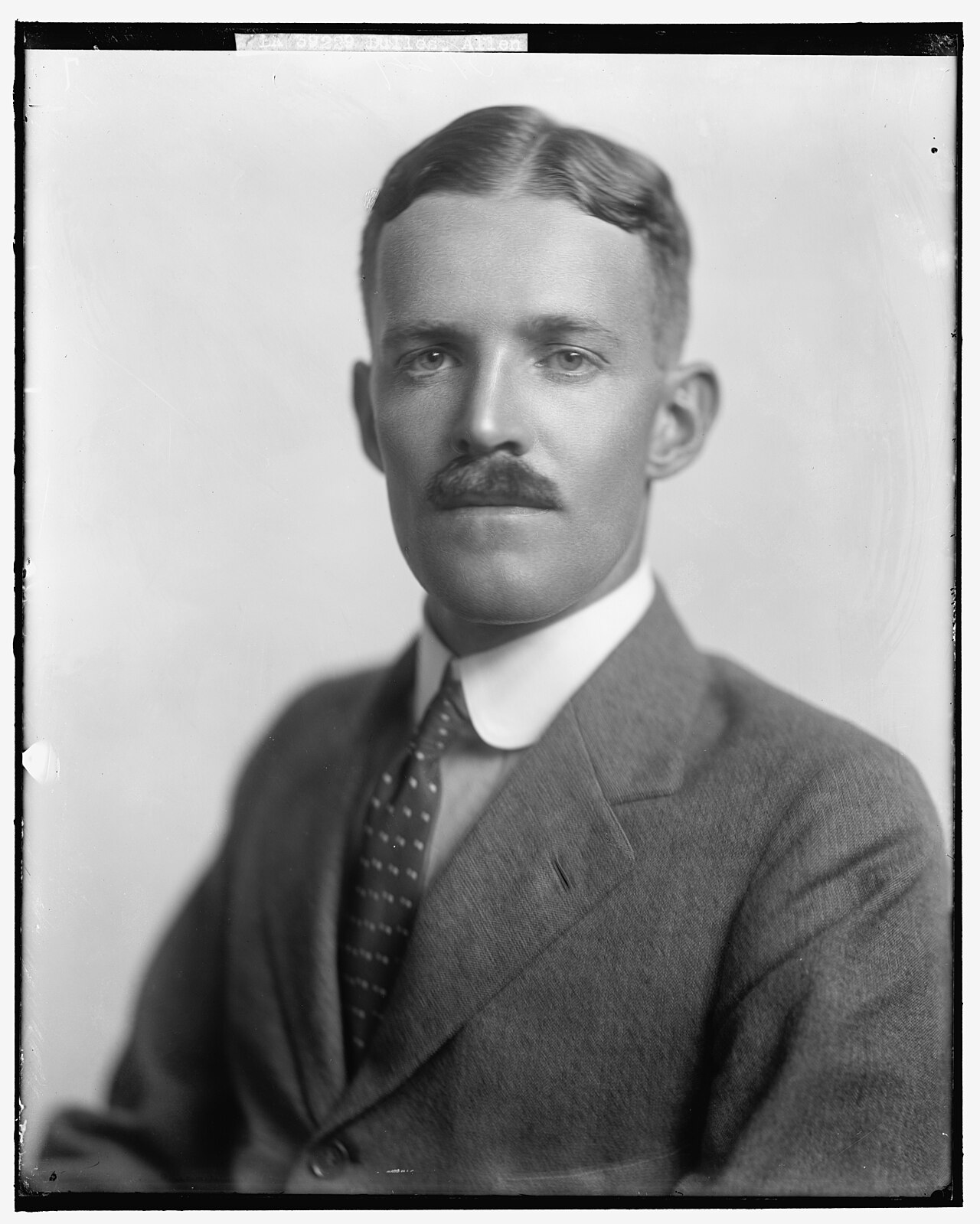
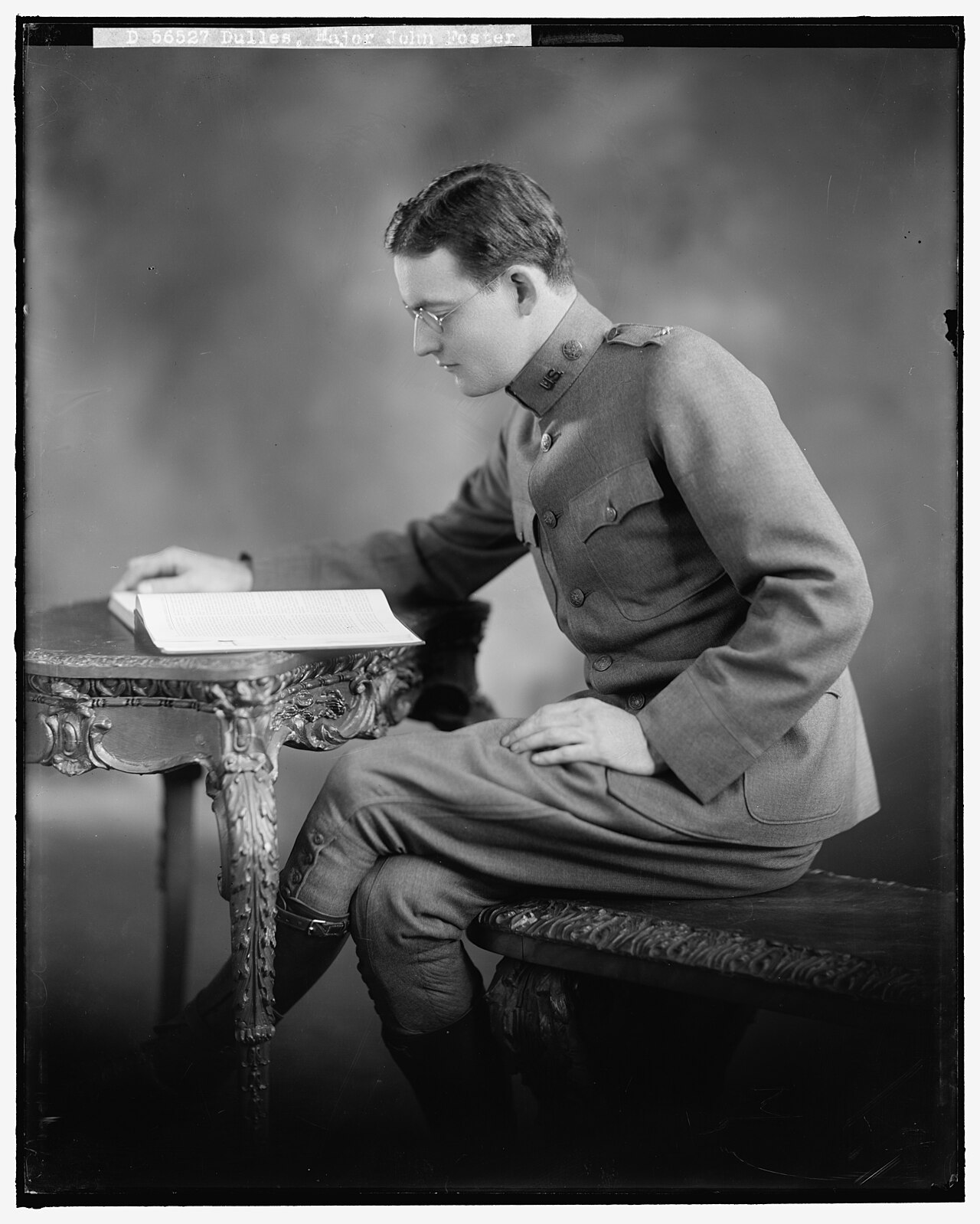
Photos: Harris & Ewing, Library of Congress (public domain).
The Corbett Report's full episode on Allen Dulles, from Sullivan & Cromwell and the Schroder bank to the CIA:
7. Mussolini first
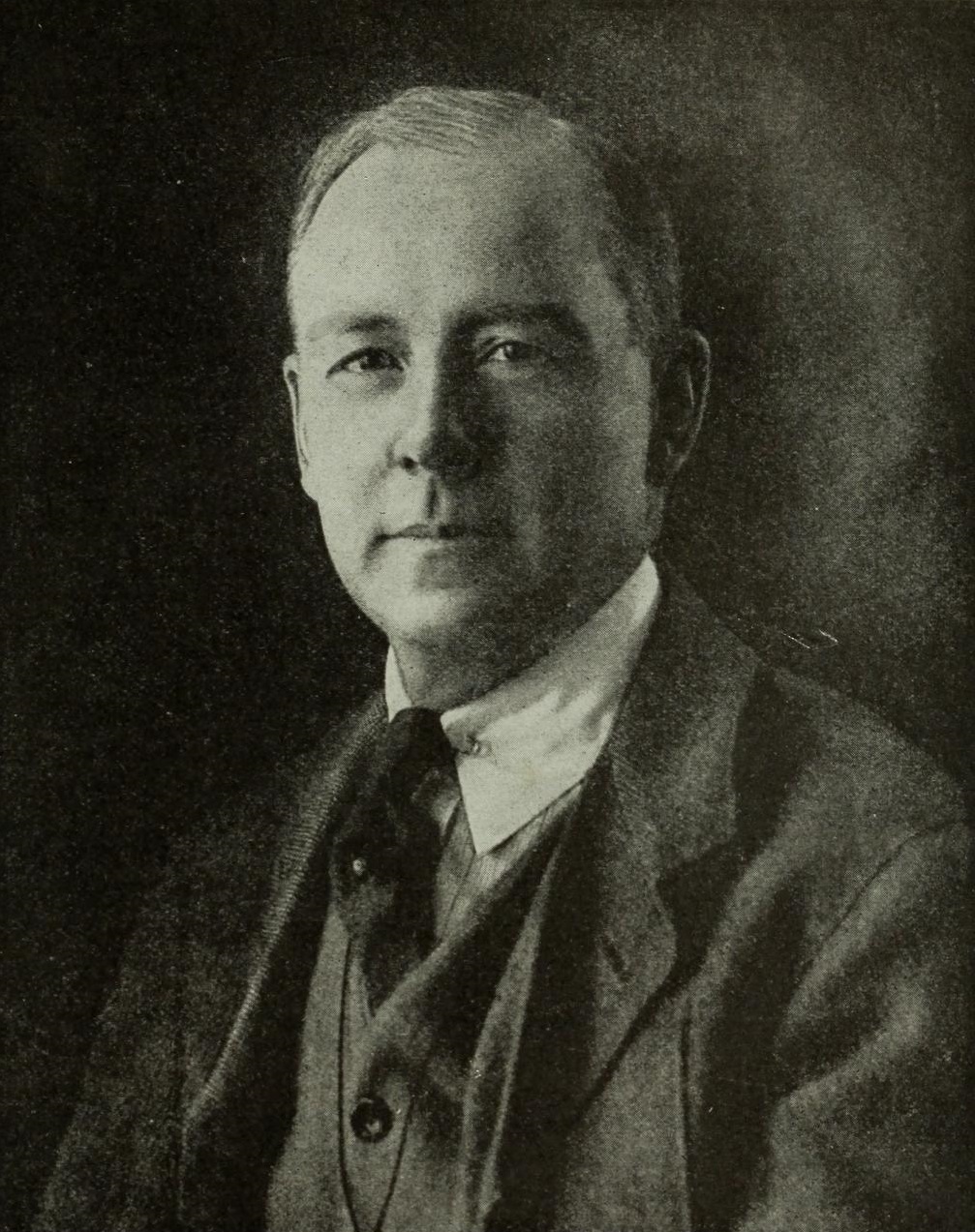
Hitler was not the first. Between 1925 and 1927, J.P. Morgan lent $100 million (Winter Oak) to Mussolini's young fascist regime in Italy, with Morgan partner Thomas Lamont handling the deal.
Why it matters
Put the pieces together and the picture is hard to ignore. The same small circle of banks, oil companies, carmakers and law firms financed Germany's rebuilding, handed it fuel technology and vehicle plants, and moved its money through a Swiss bank that no government could touch. When the war ended, the bankers kept their fortunes, the companies kept their German plants, and Allen Dulles went on to run the CIA. The late researcher Antony C. Sutton (his 1980 interview on iToldu) documented much of this in Wall Street and the Rise of Hitler (1976). It has never been part of the story taught in school.
Sources (all from the TruthSearch index)
- Canadian Patriot Review — For Victory Day: It's Time to Think About Finally Winning WWII
- Canadian Patriot Review — Living Under the Spectre of Hyperinflation: 1923 Weimar and Today
- Canadian Patriot Review — Return of the Leviathan: The Fascist Roots of the CIA
- The Corbett Report — Meet Allen Dulles: Fascist Spymaster
- Iain Davis — New World Order War Profits
- Biblioteca Pleyades — Big Pharma's Crimes Against Humanity
- Wrong Kind of Green — D. Rockefeller's Gruesome Legacy
- Winter Oak — Fascism: three brief insights
Related on iToldu
- The American corporations that supported the German Nazi regime (with the 1980 Antony Sutton interview)
- Nazi survivor ties the past Nazis to today's controllers

Please log in or sign up to comment.